Tips for Creating Better Packaging Inserts
Give a small card one clear purpose.
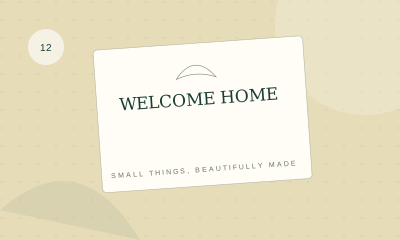
Good packaging decisions start with the real item, the person using it and the way you will produce it. Use this practical guide alongside a physical sample, rather than relying on the screen preview alone.
Choose a single main job
A packaging insert can welcome the customer, explain care or tell them where to find help. Decide which job matters most before you write. A crowded card with five competing calls to action is harder to use than a short card with one useful next step.
Write for the moment of opening
The reader is holding a new purchase. Start with information that belongs in that moment: a thank you, a first-use instruction or a simple care tip. Avoid making them read a long brand history before they can use the item.
Build a clear reading order
Use one strong heading and small, separated blocks for supporting information. Leave room around each block. If the card includes several instructions, use a short numbered sequence. Preview the card at its real size; oversized screen previews can hide tiny text.
Keep support easy to find
Include a working email address or an accurate website. If you include a QR code, pair it with a written destination and test the printed code. Do not make essential help depend entirely on a code that could become unreadable or a link that might change.
Make offers unambiguous
If you choose to add a coupon, verify the code, dates and terms in your actual shop before printing. The card designer does not create a functioning discount. Keep promotional wording separate from care or return information so customers can distinguish them.
Proof with a real package
Cut a paper sample to size and place it in the box. Check whether it bends, hides the product or rubs against a delicate finish. A useful insert earns its place through clarity and fit, not through the amount of text on it.